Dogs
Dogs
Fighting Dogs & Known Dangerous Dogs
Fighting Dogs
Q & A for Fighting Dogs
What are “fighting dogs”?
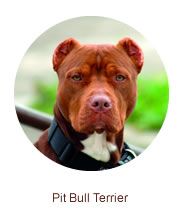
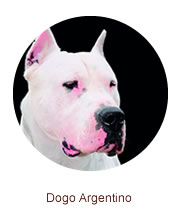
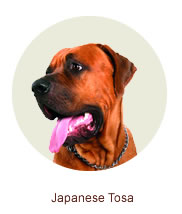
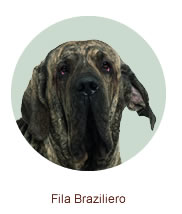
Under Schedule 1 of the Dangerous Dogs Regulation (Cap. 167D), "fighting dogs" cover four statutory types: Pit Bull Terrier, Japanese Tosa, Dogo Argentino, and Fila Braziliero, as well as any crossbreed of these four types.
The Control of Fighting Dogs under Cap. 167D
1. The importation of fighting dogs is prohibited.
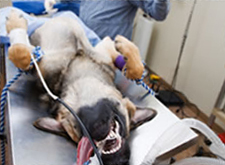
2. The breeding of fighting dogs is prohibited. Existing fighting dogs must be neutered by a registered veterinary surgeon and the keeper of an existing fighting dog must possess a valid certificate from the veterinary surgeon certifying that the dog has been neutered.
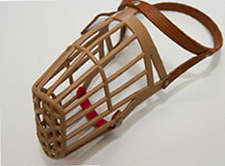
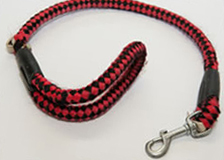
3. When in public places, a fighting dog must be securely fitted with a muzzle to prevent it from biting any person. It must also be securely held on a leash no longer than 1.5m long by a person.
Known Dangerous Dogs
What is a “Known Dangerous Dog”?
Under Section 10 of the Dangerous Dogs Regulation (Cap. 167D), if a dog performs any of the following acts, whether in a public place or not, in the absence of provocation of any form, it may be classified by a magistrate’s orders as a known dangerous dog:
-
death, or
-
serious injury resulting in in-patient treatment in a hospital
(ii) Biting or attacking any domestic animal, resulting in the animal’s
-
death, or
-
serious injury resulting in:
- surgery under general anaesthesia at a veterinary clinic or hospital, or
- euthanasia by a veterinary surgeon
(iii) Repeatedly attacking people, or otherwise putting people in fear of being attacked
The control of “known dangerous dogs” under Cap. 167D
1. Known dangerous dogs must be neutered by a registered veterinary surgeon and the keeper of a known dangerous dog must possess a valid certificate from the veterinary surgeon certifying that the dog has been neutered.
2. When in public places, a known dangerous dog must be securely fitted with a muzzle to prevent it from biting any person. It must also be securely held on a leash no longer than 1.5m long by a person.
Legislation
Applicable Legislation:
Cap. 167D DANGEROUS DOGS REGULATION
Those contravening the Dangerous Dogs Regulation are liable to a maximum fine of $50,000 and imprisonment for 6 months.